
 Home
Home Order Forms
Kodak Retires KODACHROME Film
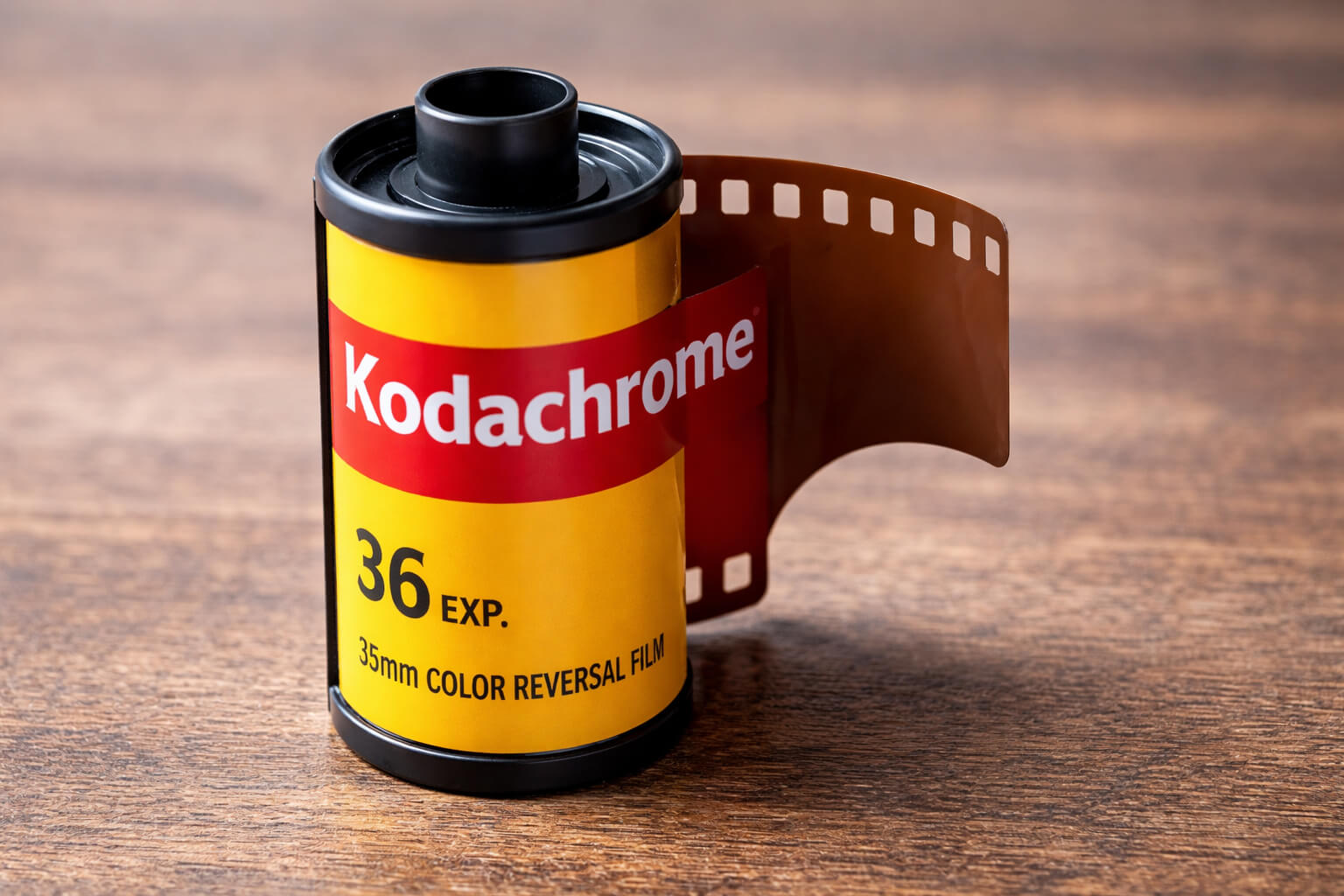
A 74-year icon of color film photography — Kodak’s Kodachrome — was retired on June 22, 2009.
June 22, 2009
Kodak Retires KODACHROME Film; Celebrates Life of Oldest Film Icon in its Portfolio
Newer KODAK films and digital cameras became the preferred choice for photographers.
ROCHESTER, N.Y., June 22 — Eastman Kodak Company announced it would retire KODACHROME Color Film in 2009, concluding its 74-year run as a photography icon.
Sales of KODACHROME — the first commercially successful color film (1935) — had declined as photographers moved to newer KODAK films and digital imaging. By the time of the announcement, KODACHROME represented a fraction of one percent of Kodak’s still-picture film sales.
As part of a tribute, Kodak planned to donate the last rolls to George Eastman House in Rochester. Photographer Steve McCurry would shoot one of those final rolls, with images donated to the museum.
Processing availability had also diminished: Dwayne’s Photo in Parsons, Kansas remained the only lab processing KODACHROME at that time, and indicated it would continue through 2010.
To explore other KODAK films mentioned in the announcement, Kodak encouraged photographers to try choices such as KODAK PROFESSIONAL EKTACHROME E100G and EKTAR 100.
Why Kodachrome Mattered
Kodachrome was not just another film. Introduced in 1935, it was the world’s first commercially successful color film and it defined the visual language of the 20th century. The saturated, long-lasting colors of Kodachrome slides are behind the most famous photographs of the mid-20th century — National Geographic covers, Life magazine spreads, family vacation slides from the 1950s through the 1980s that still look vivid today.
What made Kodachrome technically unique was its processing chemistry. Unlike most color films, which incorporated the color dye couplers in the film layers themselves, Kodachrome’s dyes were introduced during processing at the lab. This K-14 process was complex and expensive — which is why only a handful of specialized labs could process it — but it produced extremely stable, fine-grained images. Kodachrome slides from the 1960s are often in better condition than color negative prints from the same period.
Paul Simon’s 1973 song Kodachrome captured what the film meant to a generation of amateur photographers. The line “they give us those nice bright colors, give us the greens of summers” describes exactly what made Kodachrome distinctive: a color rendition that felt more vivid and saturated than reality, yet somehow more true to how memories feel than how they actually looked.
The End of Processing — December 2010
Dwayne’s Photo in Parsons, Kansas processed the final roll of Kodachrome in December 2010, more than a year after Kodak stopped manufacturing the film. Steve McCurry, the photographer who shot Afghan Girl for National Geographic, was given one of the last rolls by Kodak and his images from that roll were widely published as a farewell to the film.
With the closure of Dwayne’s Kodachrome processing line, any undeveloped Kodachrome rolls still in existence became permanently undevelopable. The era of Kodachrome was truly over.
What This Means for Your Kodachrome Slides
If you have slides labeled Kodachrome — look for the word on the cardboard or plastic mount border — you have some of the most stable color film ever made. Well-stored Kodachrome slides can still contain vivid, detailed images 50 or 60 years after they were shot. Many photographers who collected Kodachrome slides specifically for its quality have collections that look as fresh today as when they were processed.
But “more stable” does not mean permanent. All photographic film deteriorates over time, and the fading process is irreversible once it begins. Slides stored in hot attics, damp basements, or exposed to light are vulnerable regardless of film type. The safest preservation step is digitizing your Kodachrome slides at high resolution while they are still in excellent condition — before time, heat, or humidity diminishes what is there.
We scan Kodachrome slides at 4,000 ppi with individual Photoshop color correction on every scan. Kodachrome’s natural color signature — warm, saturated, with rich shadow detail — responds well to careful editing that preserves what makes Kodachrome scans distinctive rather than flattening them to generic digital neutrality.